Training Youth Athletes: A Personal Trainer's Complete Guide
Training youth athletes as a personal trainer is one of the most rewarding niches in the industry — and one of the most misunderstood. Too many trainers either treat young athletes like miniature adults, loading them with adult programming, or they go the opposite direction and refuse to push them at all out of fear of injury. Neither approach serves the athlete.
The reality is that training youth athletes as a personal trainer requires a specific skill set. You need to understand where a young body is in its development, how to structure programming that builds real athletic capacity without creating overuse injuries or burnout, and how to navigate the parents, coaches, and school sports calendars that will shape your client’s schedule. Done well, this is a niche that generates consistent referrals, long-term client relationships, and genuine impact on the athletes you work with.
This guide covers the fundamentals — from developmental considerations and program design to communication strategies and liability awareness. Whether you’re working with a 12-year-old soccer player or a 17-year-old hoping to compete at the collegiate level, the principles here will help you train them safely and effectively.
Understanding Youth Athletic Development
The first thing to internalize is that youth athletes are not small adults. Their musculoskeletal systems are still developing, which has direct implications for training. Growth plates — areas of cartilage near the ends of long bones — remain open throughout adolescence and are vulnerable to injury under excessive load or repetitive stress. A growth plate fracture in a young athlete isn’t just a setback; it can affect limb length and development if not managed properly.
Skeletal maturity varies widely between athletes of the same chronological age. Two 14-year-olds can be at dramatically different stages of physical development. This is why training age and biological maturity matter more than birth year. A good intake process includes questions about growth spurts, recent changes in coordination, and sport history — not just age.
Neurological development is another factor that actually works in your favor. Young athletes respond exceptionally well to motor learning. Skills taught during early and mid-adolescence tend to stick. This makes youth training a prime window for developing movement quality, coordination, and body awareness — foundations that will support performance throughout an athletic career.
Key Programming Principles for Young Athletes
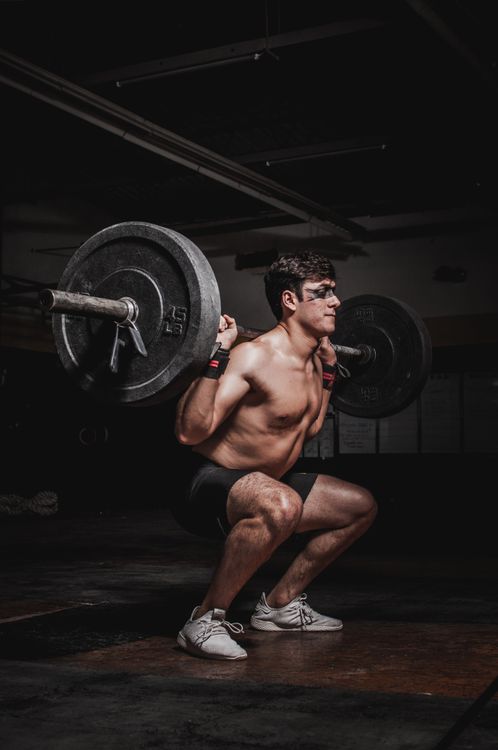
Strength training for youth athletes is not only safe when done correctly — it’s beneficial. The research is clear on this. Properly supervised resistance training reduces injury risk, improves bone density, and enhances sport performance. The qualifier is “properly supervised,” and that’s where your role as a trainer matters.
For pre-adolescent and early adolescent athletes, the priority is movement quality over load. Bodyweight exercises, light resistance, and foundational movement patterns — squat, hinge, push, pull, carry, rotate — should dominate the program. You’re building a movement vocabulary. Loads can increase progressively as technique becomes consistent and the athlete matures.
Volume management is critical. Youth athletes are often already carrying high training loads from their sport, club practices, and school PE. Your job is to add quality stress to a system that may already be stressed, not pile on more volume for its own sake. Keep sessions efficient: 45–60 minutes is usually plenty. Prioritize the work that transfers most directly to their sport and addresses their individual weaknesses.
Periodization still applies, but it needs to account for the sport calendar. If your athlete has tournaments every weekend in spring, that’s not the time to push heavy strength work. Align your programming phases with their competitive schedule. For more on periodizing strength work around athletic performance demands, see our guide to training athletes as a personal trainer.
Sport-Specific Considerations
No two sports create the same demands, and no two athletes present with the same gaps. A competitive swimmer likely has overdeveloped internal shoulder rotators and may need serious posterior shoulder and thoracic spine work. A soccer player may have tight hip flexors and weak glutes from excessive volume of running and kicking in a single plane. A basketball player might be spending 20 hours a week in a sport that demands explosive jumping but has never done a single structured landing mechanic drill.
Conduct a movement screen at intake and identify the athlete’s primary movement deficiencies relative to their sport demands. From there, build a program that addresses those gaps while also developing general athletic capacity — speed, power, agility, and aerobic base. Sport-specific drills have their place, but general strength and movement quality are what most youth athletes are missing.
Be wary of early specialization. Athletes who specialize in a single sport before age 12–14 face higher rates of overuse injury and burnout. If a parent comes to you wanting single-sport specialization programming for an 11-year-old, that’s an opportunity for education. Multi-sport participation in youth develops athletic versatility and reduces injury risk. You don’t have to overhaul their sport schedule, but you can design training that emphasizes general athleticism rather than doubling down on sport-specific patterns.
Working with Parents: Setting Expectations Early
Parents are part of every youth client relationship whether you formalize it or not. Some are highly involved; others are hands-off. Either way, the initial conversation with parents sets the tone for everything that follows.
Be direct about what your programming is and is not. Some parents come in expecting you to turn their 13-year-old into a Division I recruit in six months. That’s not your job, and promising anything close to it is a liability. Your job is to build a well-rounded, injury-resistant athlete with good movement habits and growing physical capacity. That’s genuinely valuable — frame it that way.
Establish clear communication channels. Monthly progress updates, shared session notes, or a brief post-session check-in can go a long way. Parents who feel informed are easier to work with and far more likely to refer you to other families. Be consistent and professional, and keep them focused on process metrics — movement quality, training consistency, body awareness — rather than just performance outcomes.
You’ll occasionally encounter parents who want to be in the room for every session. For most youth athletes aged 14 and up, having a parent watching can inhibit focus and effort. Have a polite but firm policy: parents are welcome to observe initially, but regular sessions work better with the trainer and athlete working directly. Most parents respect this when it’s framed around the athlete’s benefit.
Certifications and Credentials Worth Having
If you’re serious about working with youth athletes, investing in specialized credentials strengthens both your competence and your marketability. The National Strength and Conditioning Association (NSCA) offers the Certified Strength and Conditioning Specialist (CSCS) credential, which is widely recognized in the athletic performance space and covers the physiology and programming principles directly applicable to this population.
Beyond the CSCS, the NSCA’s Certified Special Population Specialist (CSPS) covers youth as one of its populations. USA Weightlifting and USA Track and Field both offer coaching certifications that add technical depth in specific movement domains. FMS Level 1 is worth having for your movement screening toolkit.
Certifications don’t replace experience, but they do signal to parents, high school athletic departments, and club coaches that you’ve invested in this area. They also give you a defensible professional foundation if a liability question ever arises. For a broader look at how certifications factor into your business positioning, see our article on strength coaching for clients.
For more strategies like this — including programming templates, client communication scripts, and niche-building advice — subscribe to our free newsletter. Thousands of trainers get weekly tips delivered straight to their inbox.
Liability, Waivers, and Working Within Your Scope
Youth clients introduce a layer of liability that adult clients don’t. Minors cannot sign contracts on their own behalf, which means you need a parent or legal guardian to sign your client agreement and liability waiver. Make sure your waiver is reviewed by an attorney familiar with fitness industry standards in your state, as regulations vary.
Document everything. Session notes, exercise progressions, any reports of pain or discomfort, and any communication with parents should be logged. If an injury occurs — even a minor one — you want a clear paper trail showing that your programming was appropriate, your supervision was attentive, and you responded correctly.
Know your scope of practice. You are a strength and conditioning or fitness professional, not a sports medicine physician or physical therapist. If an athlete presents with pain, swelling, reduced range of motion, or any symptom that suggests a medical issue, refer out immediately. Don’t program around pain without a medical clearance. The short-term discomfort of pausing a client relationship is nothing compared to the liability of training through an undiagnosed injury.
Establish relationships with sports medicine physicians, physical therapists, and athletic trainers in your area. These professionals will refer athletes to you when they’re cleared to train, and you’ll refer to them when something is outside your lane. That reciprocal relationship builds your reputation and protects your clients.
Building a Youth Athlete Clientele
Youth athlete training is one of the most referral-dense niches in personal training. Parents talk. Coaches talk. If you do excellent work with one athlete, you will meet their teammates, their parents’ friends’ kids, and eventually the club coaches who want to know who their athletes are working with.
Start by positioning yourself where youth athletes already are. Offer complimentary workshops at local high schools or youth sports clubs. Connect with club coaches and offer to speak at team meetings about strength training, injury prevention, or athletic development. These touchpoints build credibility and get you in front of your target clientele without aggressive marketing.
Collect and share results — with permission. A photo of a 16-year-old who improved their vertical jump or dropped a second off their 40-yard dash, posted with parental consent, is compelling content for your social channels. Let the outcomes speak for your methodology.
Final Thoughts
Training youth athletes well is a serious responsibility and a genuine opportunity. This population responds quickly to good coaching, carries your influence into decades of athletic and physical activity, and refers enthusiastically when they trust you. But it demands that you understand the developmental differences at play, program with both ambition and restraint, and communicate clearly with the parents and coaches surrounding your athlete.
Invest in the relevant credentials. Build your sport knowledge. Establish strong intake processes and documentation habits. And approach every session knowing that the work you do with a 14-year-old today may shape how they move and perform for the next twenty years. That’s not hyperbole — it’s the reason this niche is worth doing right.
Free Newsletter
Want more tips like this?
Join thousands of personal trainers getting weekly insights on building their business and improving their craft.